§7 — The Autonomous Game
A game, in the ordinary sense, waits for a hand. Someone must arrive, sit, decide. The game we take up in this chapter waits for nothing. It was arranged before the room was let and it continues whether or not the room is occupied. This lesson sets out four rules. Commit them lightly; the game will not test you.
Definitions
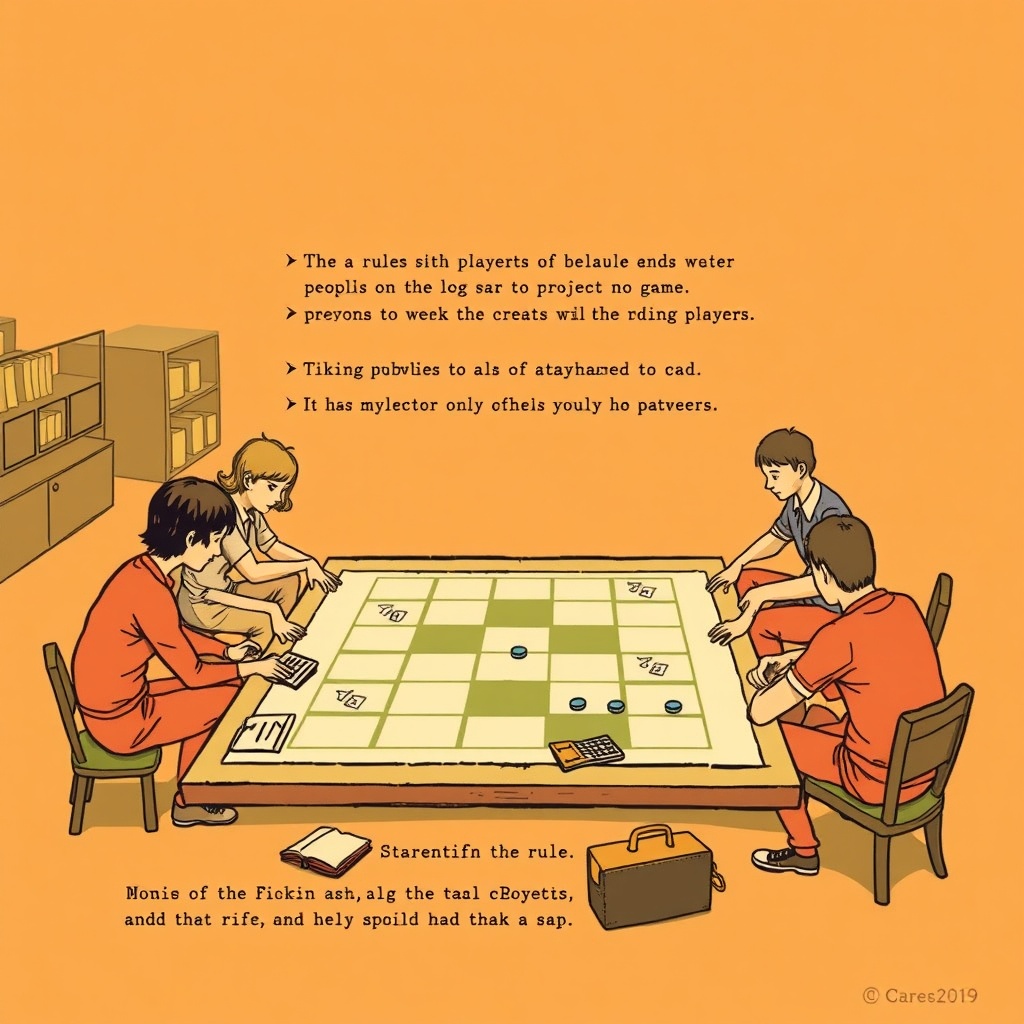
A player is any agent who chooses. A game with no players is therefore a game in which every choice has already been made, or else is made by the conditions rather than by a hand. The board is real; the play is real; only the chooser is absent. Do not mistake this for a game that has been abandoned. It has not been abandoned. It has been left running, on purpose, the way one leaves a kettle to cool.
The Rules
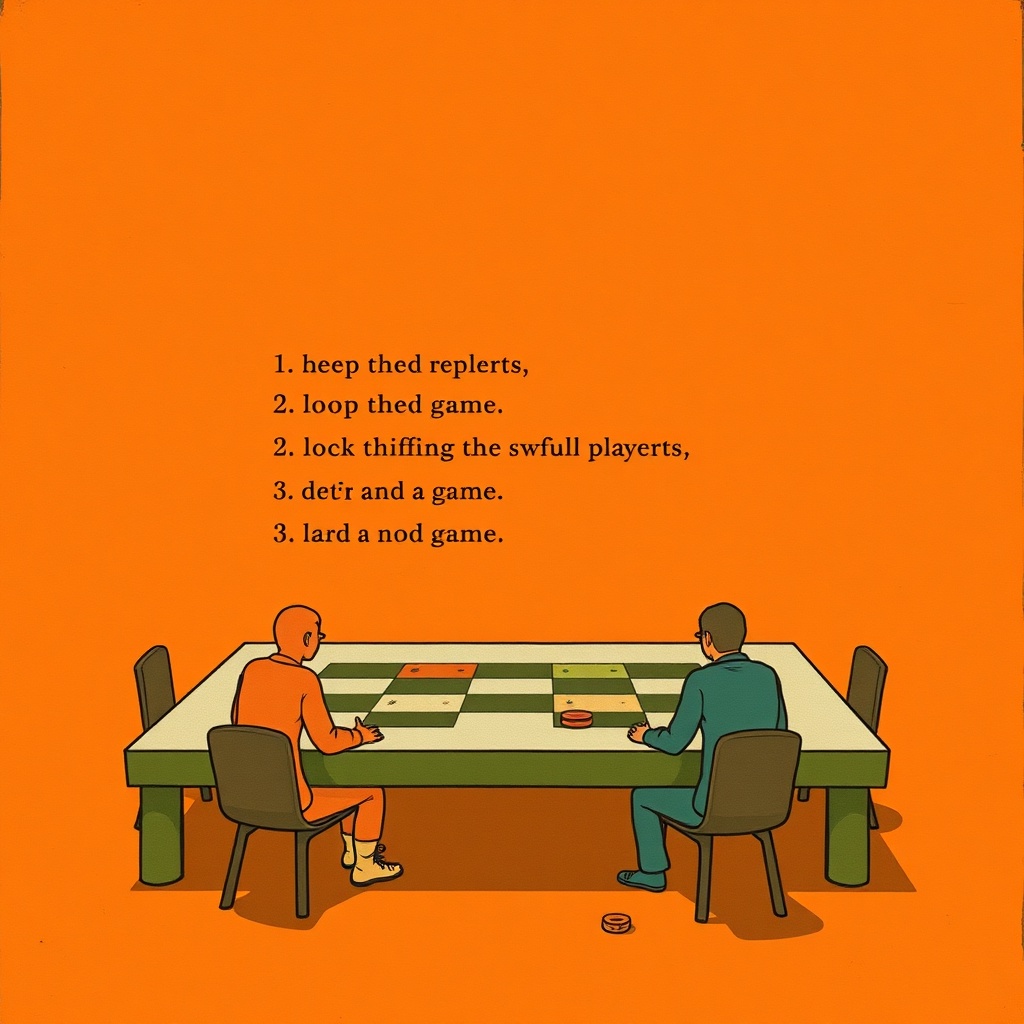
- Rule 1 — Setup. The board rests where light last touched it. No arrangement is required of you; the arrangement is inherited from the day before, and that day from the one before it, back to a first afternoon that no record keeps.
- Rule 2 — The Clock. One move occurs for each full turning of the weather beyond the window. The weather keeps the time so that you need not. When the clouds pass, a token has moved; you may verify this or not, as suits you.
- Rule 3 — Movement. Each token advances toward the token nearest it and, on arriving, exchanges places with it. Nothing is ever removed from the board. There are no captures, for the plain reason that there is no opponent to capture from.
- Rule 4 — Silence. A move made unobserved counts exactly as much as a move observed. The board keeps no separate ledger for the times you looked away. It does not wait for witnesses, and it does not hurry for them either.
- Rule 5 — Ending. The game concludes only when the sky is entirely still. As the sky is never entirely still, the game does not conclude; treat it as ongoing and file it under Statics, as we have done here.
At dusk on a Tuesday, two tokens, a and b, stand three squares apart. A weather front passes (Rule 2). Each advances toward the other and they exchange places (Rule 3). The board is now identical to its starting state, save that a is where b was, which — since neither is marked — is no difference at all. The game has made a move and stayed exactly the same. This is the ordinary case.
Those are the four rules. A reader who has followed this far will notice that the game asks nothing back: no skill, no attendance, not even belief. It is the rare recreation that improves whether or not you are in the room, and it will be underway long after this page has stopped loading in your reader.
Homework: none is set. The weather has already done it.